

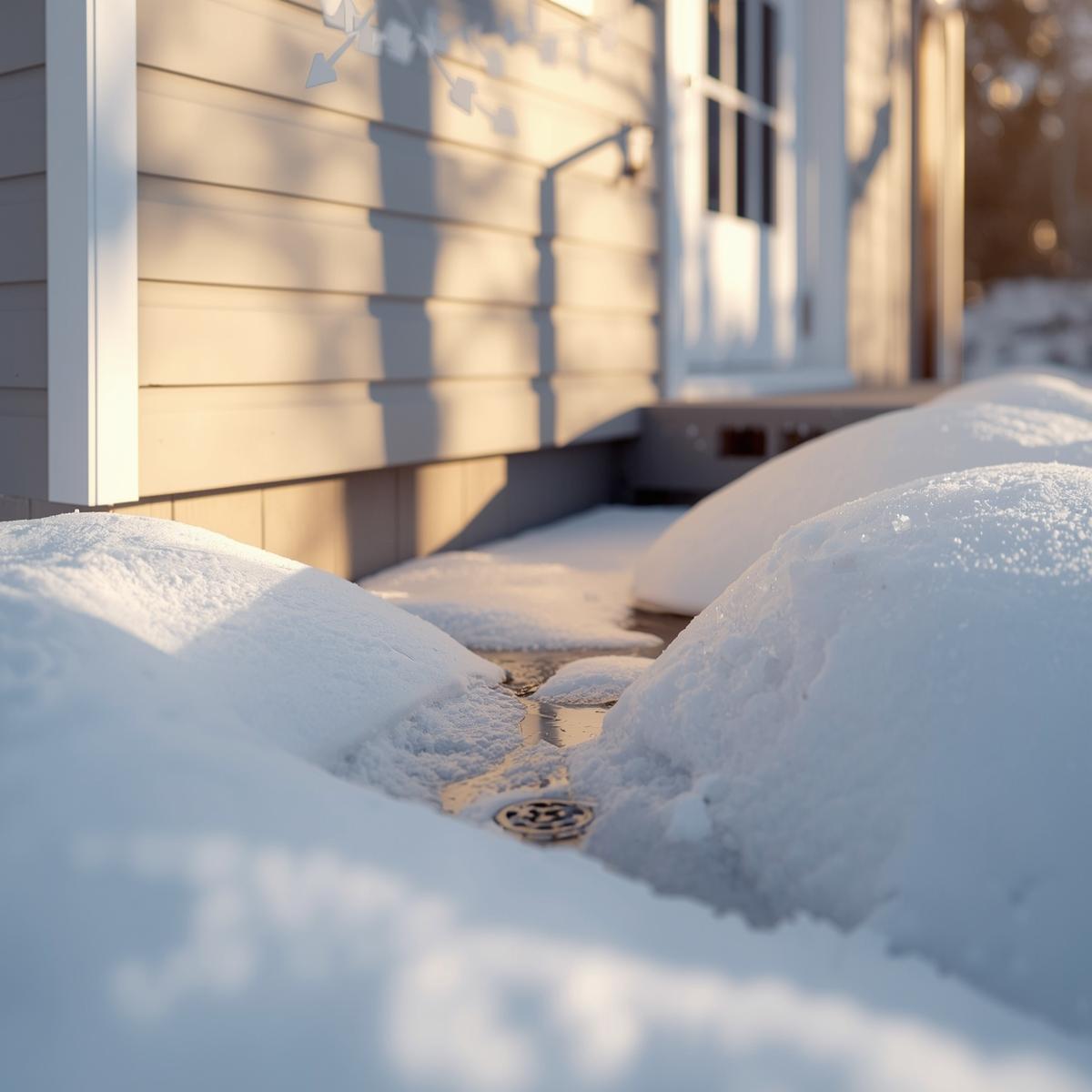
In southern Wisconsin, winter isn’t just cold — it’s a cycle. Freeze. Thaw. Refreeze. And when temperatures bounce around, your home’s drains and sewer line can take a beating. The good news: a few simple habits can dramatically reduce the risk of winter drain clogs and nasty sewer backups.
Below are practical steps you can take now (and a few warning signs you shouldn’t ignore) to keep everything flowing the way it should.
Why Winter Thaws Trigger Clogs and Backups
During a thaw, melting snow and ice can send a sudden surge of water into municipal systems and your property’s drainage points. At the same time, winter brings conditions that make clogs more likely:
- Grease and food scraps build up faster when pipes run colder.
- Extra indoor activity (more cooking, guests, kids home) means more strain on kitchen and bathroom drains.
- Basement floor drains may see more moisture and debris.
- Sump pumps and discharge lines can struggle if they’re blocked or poorly routed.
If your pluming is already “almost clogged,” winter thaws tend to expose the problem.
7 Ways to Prevent Winter Drain Clogs
- Keep Grease Out of the Kitchen Drain
Grease might go down as a liquid, but it cools and sticks inside the pipe. In winter, it solidifies even faster.- Pour grease into a disposable container, let it harden, and toss it.
- Wipe pans with a paper towel before washing.
- Use Sink Strainers Everywhere
A $5 strainer an prevent a $500 emergency call.- Kitchen: catches rice, coffee grounds, onion skins.
- Bathroom: catches hair and soap chunks.
- Don’t “Flush-Proof” Your Toilet
Even “flushable” wipes can create major blockages. Only flush toilet paper. Everything else goes in the trash. - Run Hot Water After Using the Disposal
After using your garbage disposal:- Run cold water while grinding (helps push food through).
- Then run hot water for 15-30 seconds to help clear residue.
- Be Mindful of Snow-Melt Runoff
If you notice heavy meltwater pooling near the foundation, it can raise the risk of water intrusion and overwhelm drains. Clear snow away from:- downspouts
- window wells
- basement entry areas
- Check Your Sump Pup Before the Next Thaw
A sump pump that fails during a thaw can mean a wet basement quickly.- Test it by pouring water into the pit until it activates.
- Confirm the discharge line is clear and directed away from the home.
- Treat “Slow Drains” As An Early Warning
A slow drain is rarely “just slow.” It’s usually a partial clog that’s collecting more debris over time. Address it early with:- a plunger
- a safe enzyme drain cleaner (not harsh chemicals)
- a professional drain cleaning if it keeps coming back
Warning Signs You Should Call a Plumber
Call for help right away if you notice:
- multiple drains backing up at once (kitchen + basement, or shower + toilet)
- gurgling sounds from drains or toilets
- sewage smell near floor drains
- water coming up in a tub when the washing machine drains
- repeated clogs in the same fixture
Those can point to a deeper blockage – sometimes in the main line – and DIY attempts an make the mess worse.
Need Help Fast in Janesville?
If you’re dealing with slow drains, recurring clogs, or any sign of a sewer backup, don’t wait for it to become an emergency
Call Matt at Magee Plumbing: 608-921-2553
We’ll help you pinpoint the cause and get things flowing again – safely and correctly.
#WinterPlumbing
#JanesvilleWI
#DrainClogs
#SewarBackup
#DrainCleaning
