

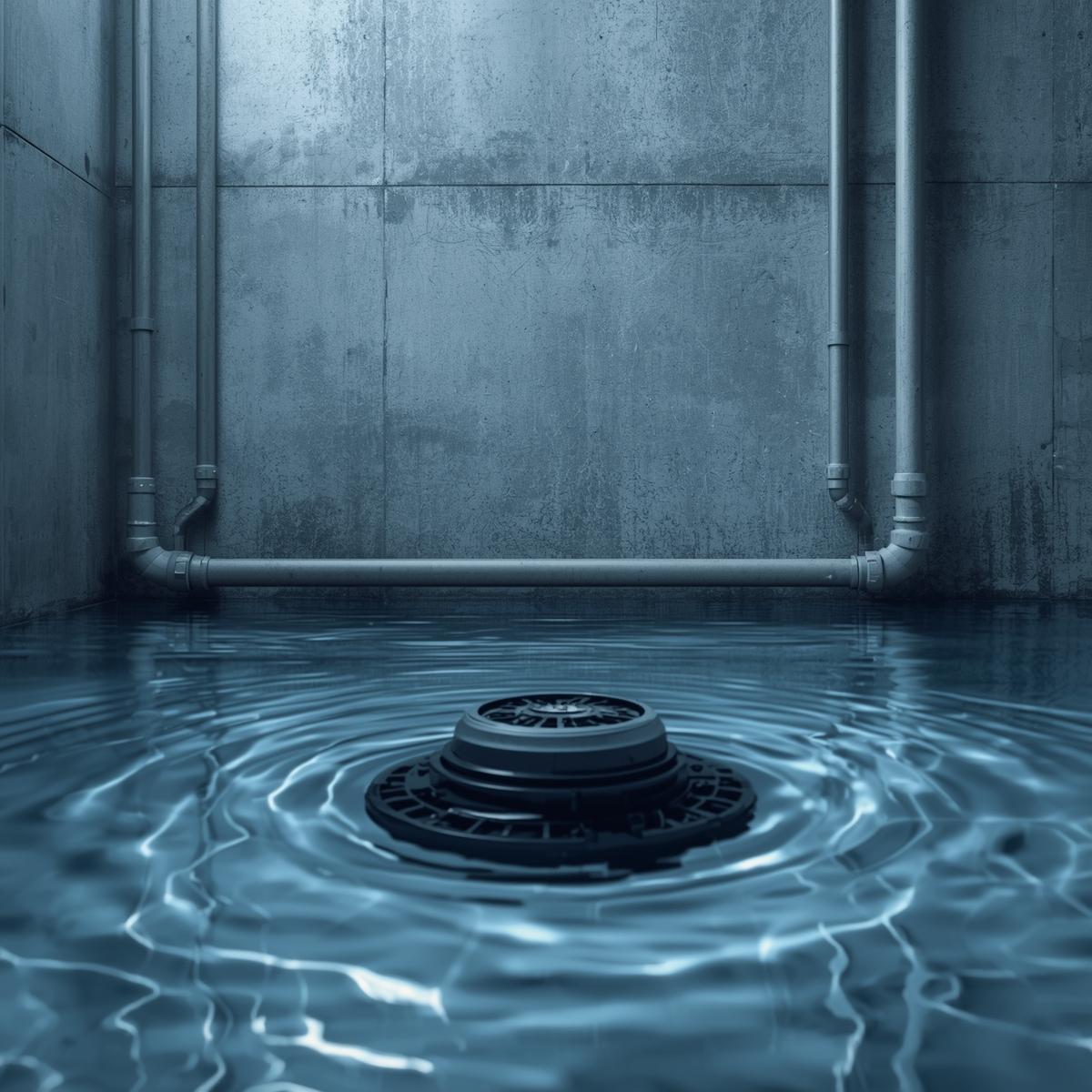
When the temperatures drop and the snow starts to melt, few things can cause panic faster than a flooded basement. Your home’s sump pump is the unsung hero that keeps your foundation dry and your property safe — but only if it’s working properly. As fall turns into winter, now is the ideal time to make sure your sump pump is ready to handle whatever Wisconsin weather brings.
Why Sump Pump Maintenance Matters
Sump pumps quietly work behind the scenes to remove groundwater that seeps into your basement or crawl space. When melting snow or heavy rain hits, this small device can make the difference between a dry basement and thousands of dollars in water damage.
Neglecting maintenance could leave you with a burned-out motor, a clogged discharge line, or a stuck float switch — all of which can lead to major flooding when you least expect it.
Check That Your Pump is Working
Start by testing your sump pump before the first snow or freeze. Fill the sump pit with a few buckets of water and make sure the pump automatically turns on and drains the water quickly. If it hesitates or doesn’t activate, it may need servicing or replacement.
Listen for unusual noises like grinding or humming — both are signs of mechanical wear. And if your pump hasn’t been replaced in the last 7–10 years, it might be nearing the end of its lifespan.
Inspect the Power Source
A sump pump is only as good as its power supply. Make sure it’s plugged into a grounded outlet, not an extension cord, and check the cord for any fraying.
Consider installing a battery backup system. Power outages are common during Wisconsin winter storms, and without electricity, your sump pump won’t run when you need it most. Backup systems can automatically switch on when power fails, keeping your basement protected.
Clean the Pit and Discharge Line
Over time, debris, sediment, and mineral buildup can block the sump pit or the discharge pipe. Remove any dirt, stones, or leaves from the pit and ensure the discharge line directs water at least 10 feet away from your foundation.
If you notice ice forming in the line during cold snaps, a sump pump discharge extension or freeze guard can prevent dangerous backups that push water back into your basement.
Add a Check Valve
Every sump pump system should include a check valve on the discharge pipe to stop water from flowing back into the pit after the pump turns off. If your system doesn’t have one, installing it now is an inexpensive way to protect against extra strain and reduce wear on the pump.
When to Call a Professional
If your sump pump fails the test, cycles continuously, or makes unusual sounds, it’s time to call in the experts. A professional plumber can inspect the system, clean out hidden clogs, and make sure all components are functioning correctly.
Regular sump pump maintenance can extend the unit’s lifespan and ensure your basement stays dry through winter and spring.
Protect Your Home Before It’s Too Late
Don’t wait for the next snowmelt or rainstorm to find out your sump pump isn’t working. A quick inspection today can save you costly repairs and headaches later.
Call Matt at Magee Plumbing today at 608-921-2553 to schedule your sump pump inspection or maintenance today – and keep your basement protected all winter long.
#WinterReady
#JanesvilleWI
#SumpPumpMaintenance
#JanesvilleBusiness
#WinterMaintenance
#HomeCare
#MageePlumbing
#WinterPrep
